
Just after dawn, with the airfield quiet and the wind calm, the steel cab of the new Air Traffic Control Tower was lifted 260 feet and set on top of its concrete shaft. In one planned pick, the tower went from a column of concrete to the shape controllers will work in for decades.
A shaft that climbed for 21 days
The tower shaft was built with a slipform: a forming system that rises continuously as concrete is placed, without stopping. For 21 days and nights our crews kept the form climbing, placing concrete, tying rebar and setting embeds as it went. Survey checks every shift kept the shaft plumb, because a few inches of lean at the top would change the controllers’ sight lines across the field.
- No cold joints. Continuous placement meant no horizontal joints in the shaft walls, which matters for both strength and weathertightness.
- Embeds as we climbed. Elevator rails, stair connections and utility sleeves were cast in on the way up, checked against the model.
- Crews on rotation. Three crews rotated through the slipform deck around the clock, each starting with a full safety huddle.
Building inside protected airspace
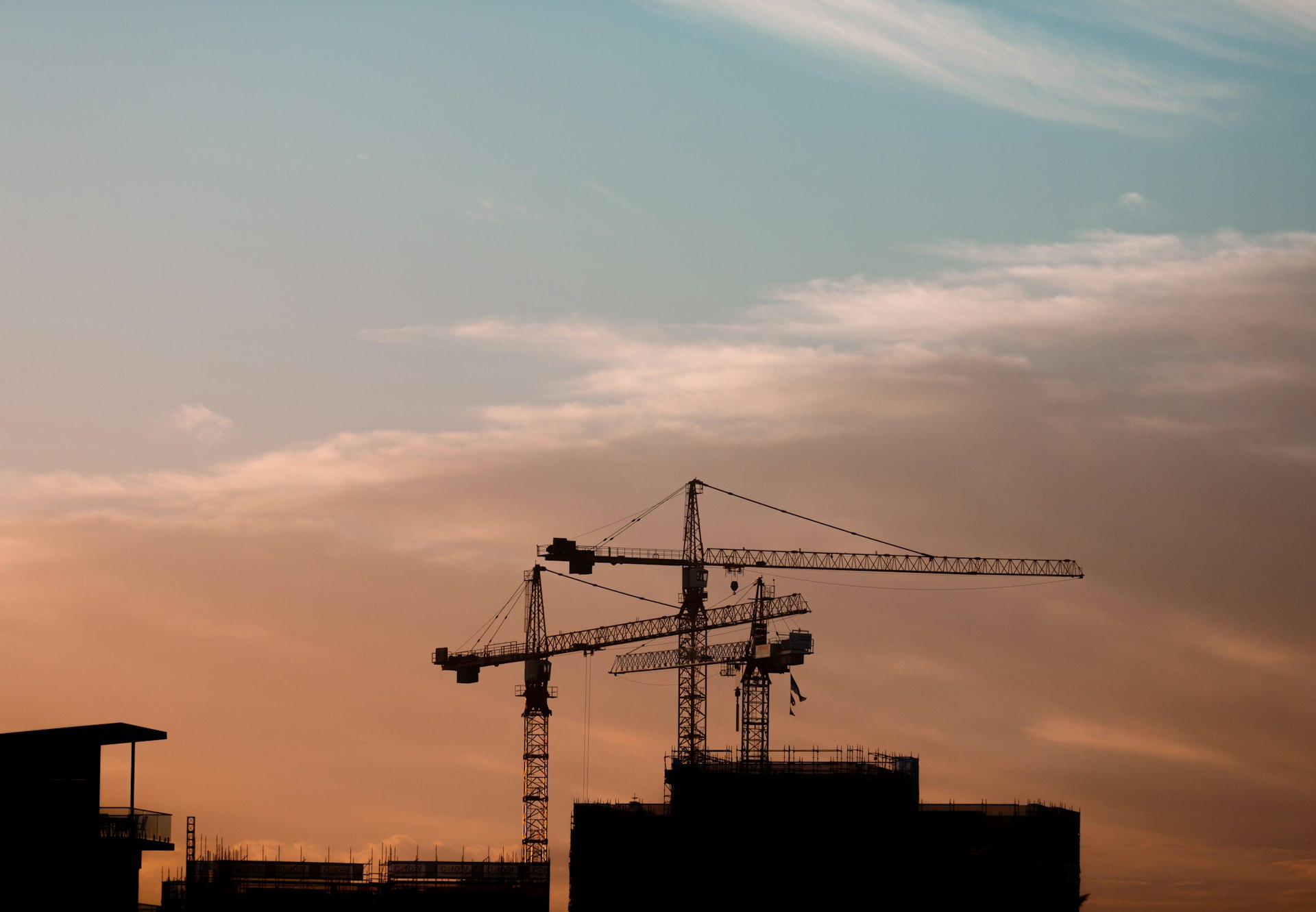
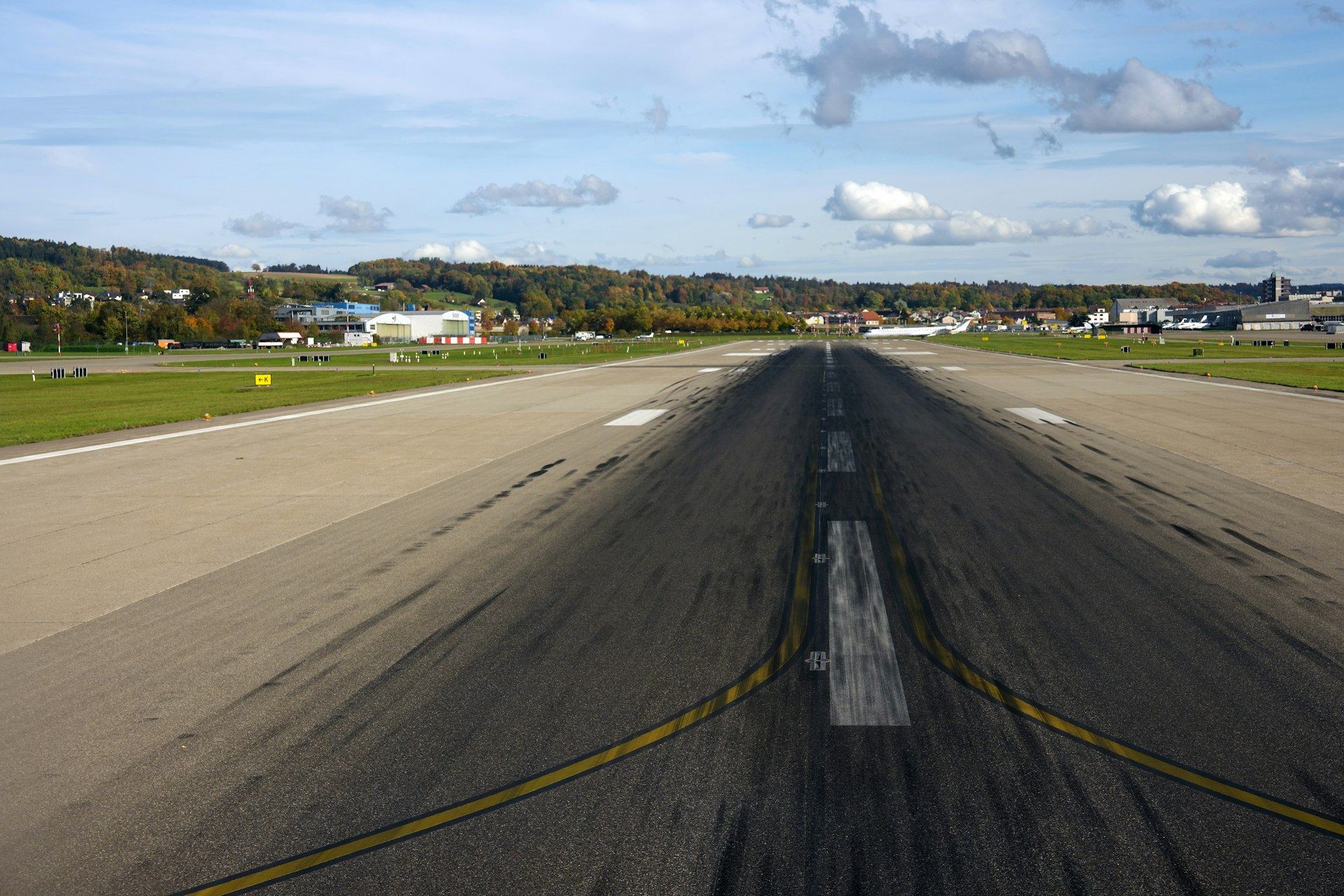
The tower sits beside an active runway. Every crane position and height was filed and approved for airspace before the first lift, with obstruction lighting at night and agreed procedures if a crane had to lower for traffic. The cab lift was scheduled for a low-traffic window at dawn and coordinated with the airport and air traffic staff weeks in advance.
The cab is the reason the tower exists. Setting it was one lift, and it was planned like a hundred.
Project manager, PerryWester
From structure to equipment
With the cab set, the work moves inside. Glazing, consoles, radar and radio equipment, and the base building systems will be installed and tested over the coming months. The last step is the one that matters most: flight checks and a planned transition, so controllers can move from the old tower to the new one between scheduled flights. Our thanks go to the crews and trade partners who kept the slipform moving and set the cab without a hitch.