Early on a still June morning, our foundation crews placed the last turbine pedestal at the Combined-Cycle Generating Station. The pour closes out the heaviest concrete on the project and hands the machine floor to the mechanical crews who will set the gas turbines, the steam turbine and their generators over the coming months.
Why the pedestals set the pace
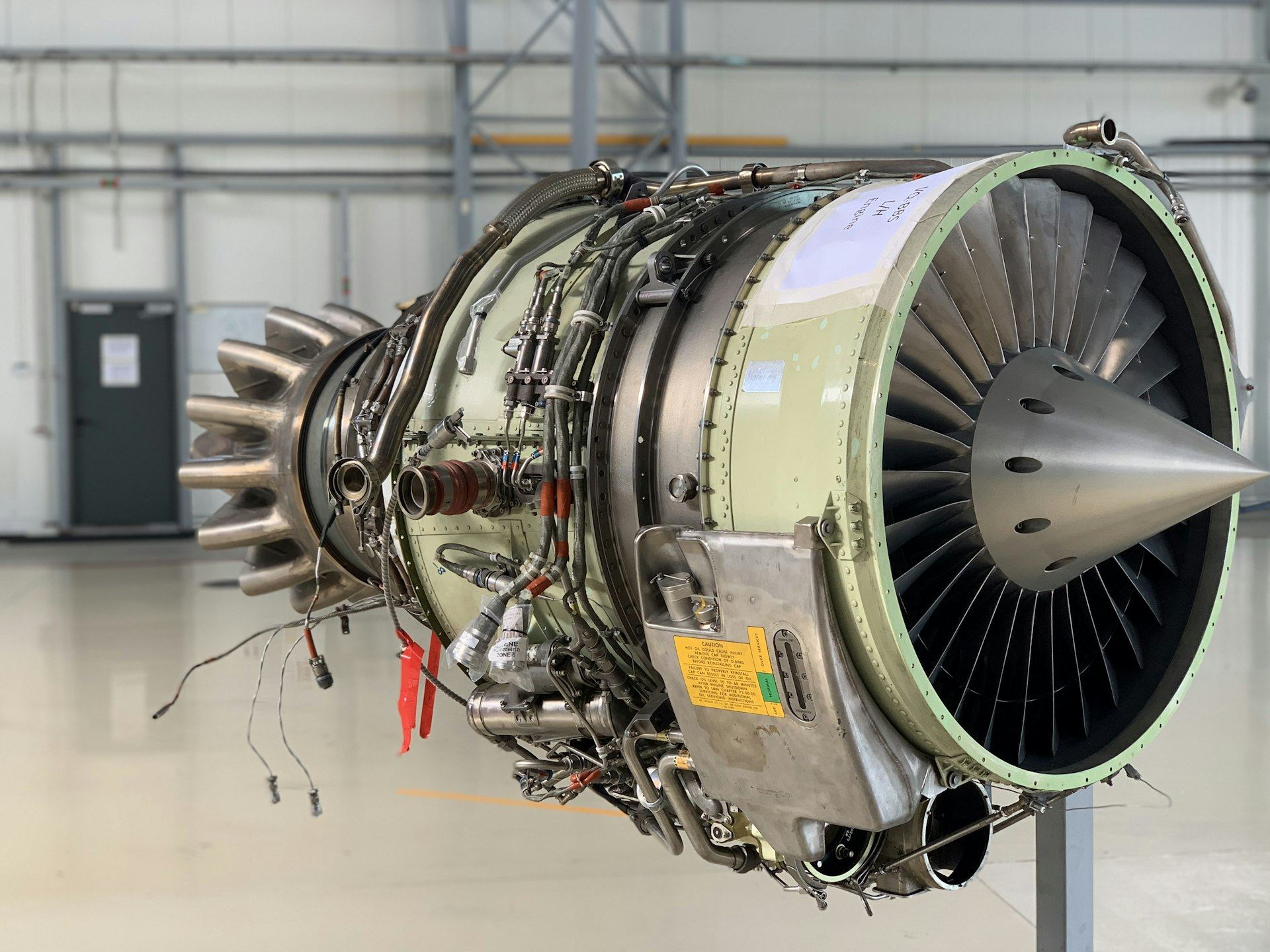
A combined-cycle plant is built around a few very large, very fast machines. Each gas turbine spins at 3,600 revolutions per minute, and the steam turbine runs on the same shaft speed. The reinforced concrete pedestals under them have to carry that load for decades with almost no vibration. If a pedestal is late, the turbine it carries sits on a trailer. If a pedestal is wrong, the fix can take months.
That is why the foundations were the critical path for the first year of the job, and why we self-performed them.
Mass concrete, under control
The largest pedestal placements ran well over a thousand cubic yards each. Concrete that thick generates its own heat as it cures, and a big temperature difference between the core and the surface can crack it. Every placement had a written thermal control plan.
- Low-heat mix designs. Mixes used supplementary materials to slow and lower the heat of hydration, and were trial-batched before the first pour.
- Cooling and insulation. Embedded cooling pipes carried water through the largest blocks, and insulated blankets kept surfaces from cooling too fast.
- Sensors in every pour. Embedded temperature sensors reported core and surface readings around the clock, and our engineers adjusted cooling as the numbers moved.
Anchor bolts to the millimeter
Every turbine and generator bolts down to anchor bolt groups cast into the pedestal. Those bolts had to land within very tight tolerances, or the machine would not fit. Steel templates held each bolt group rigidly in place through the pour. Survey crews checked bolt positions before concrete arrived, during placement and again after the forms came off. Across the whole machine floor, not one anchor bolt needed correction.
A turbine pedestal gets one pour. We plan it for months, place it in a day, and it carries the machine for the next thirty years.
Foundations superintendent, PerryWester
What comes next
With the pedestals complete and cured, the first gas turbine is scheduled to arrive by heavy haul in the weeks ahead. Mechanical crews will set and align the machines, piping crews will tie in fuel gas, water and steam, and our commissioning team will begin turning systems over one by one on the path to first fire. Our thanks go to every carpenter, ironworker, finisher, operator and engineer who placed the foundations this plant will stand on.