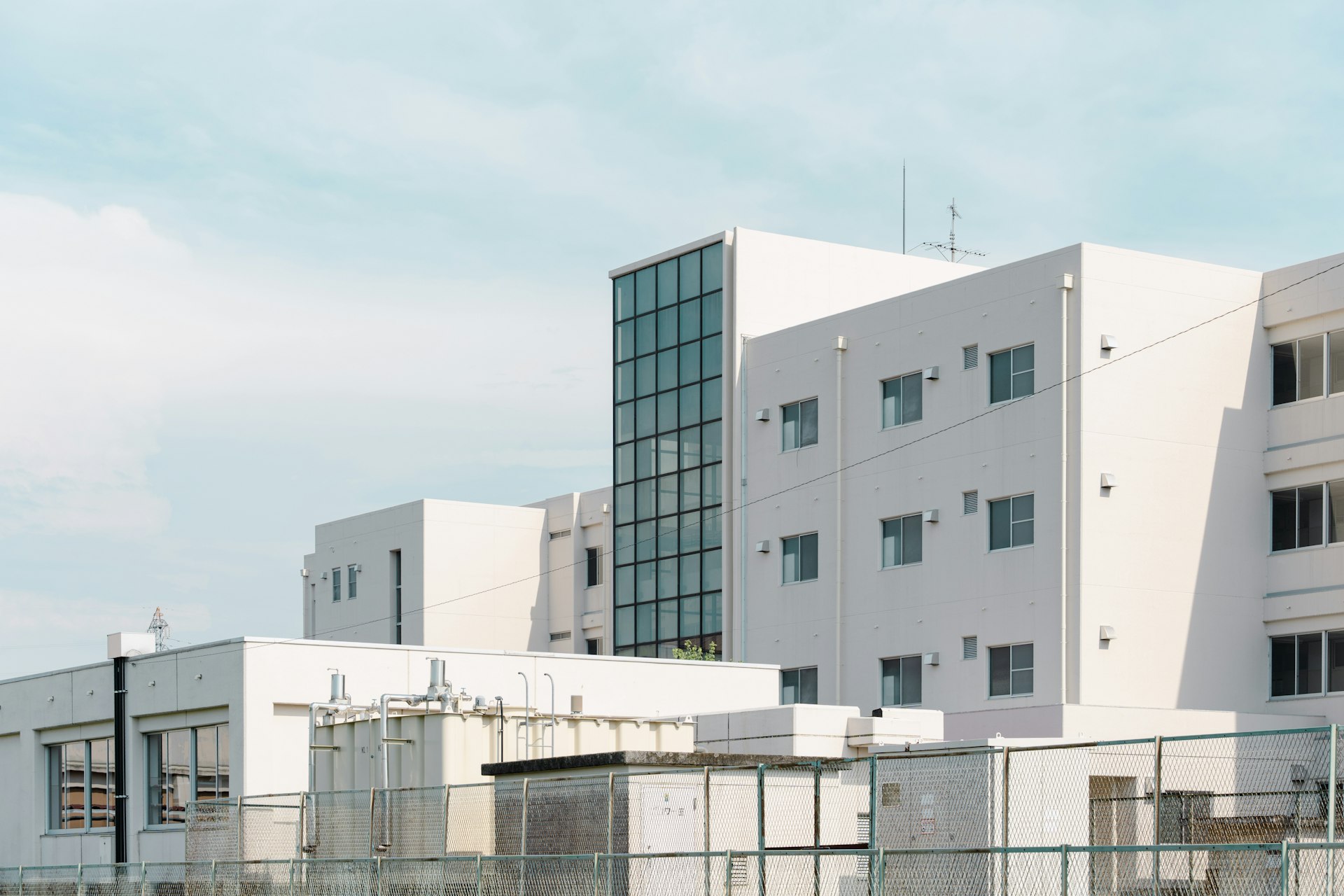

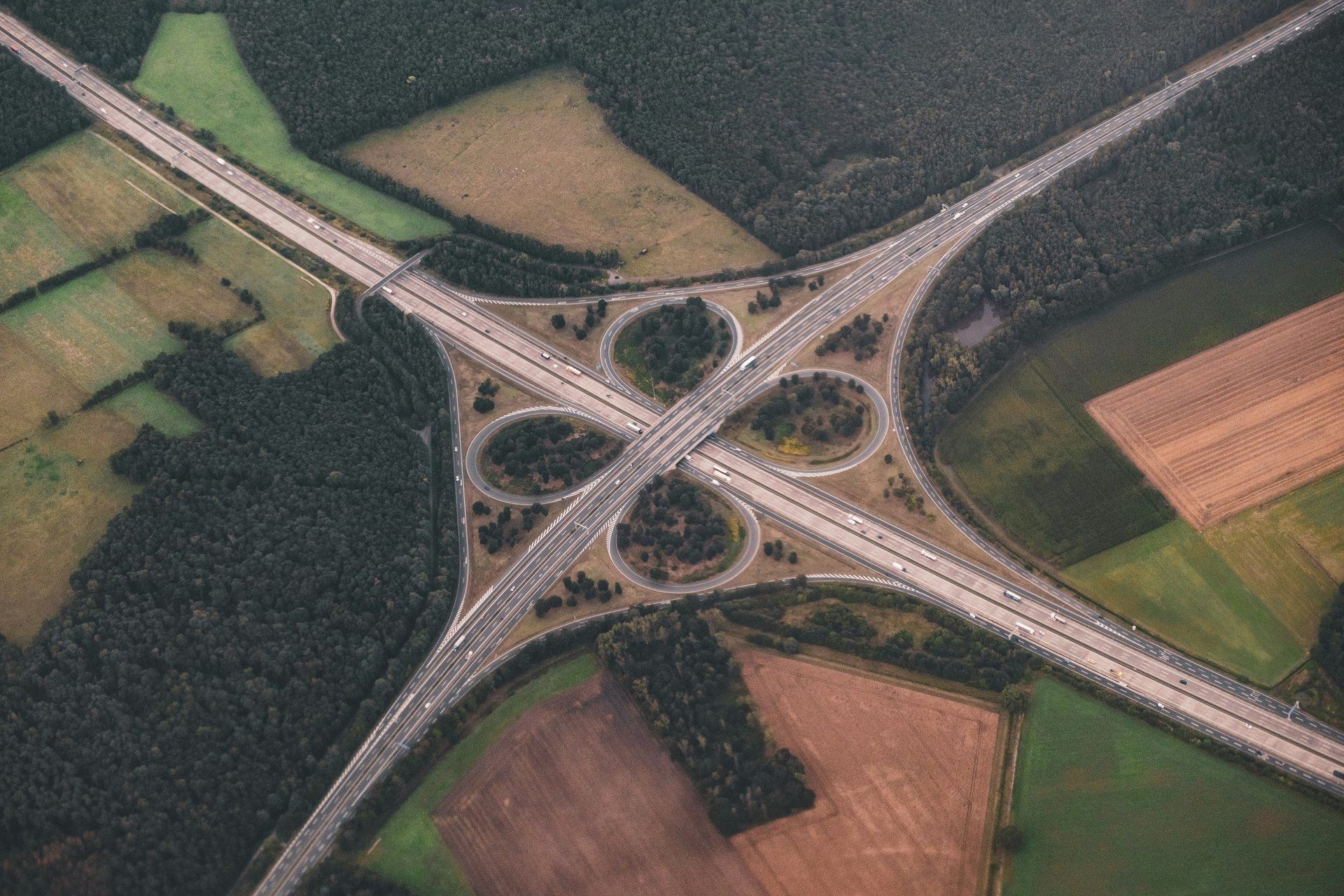
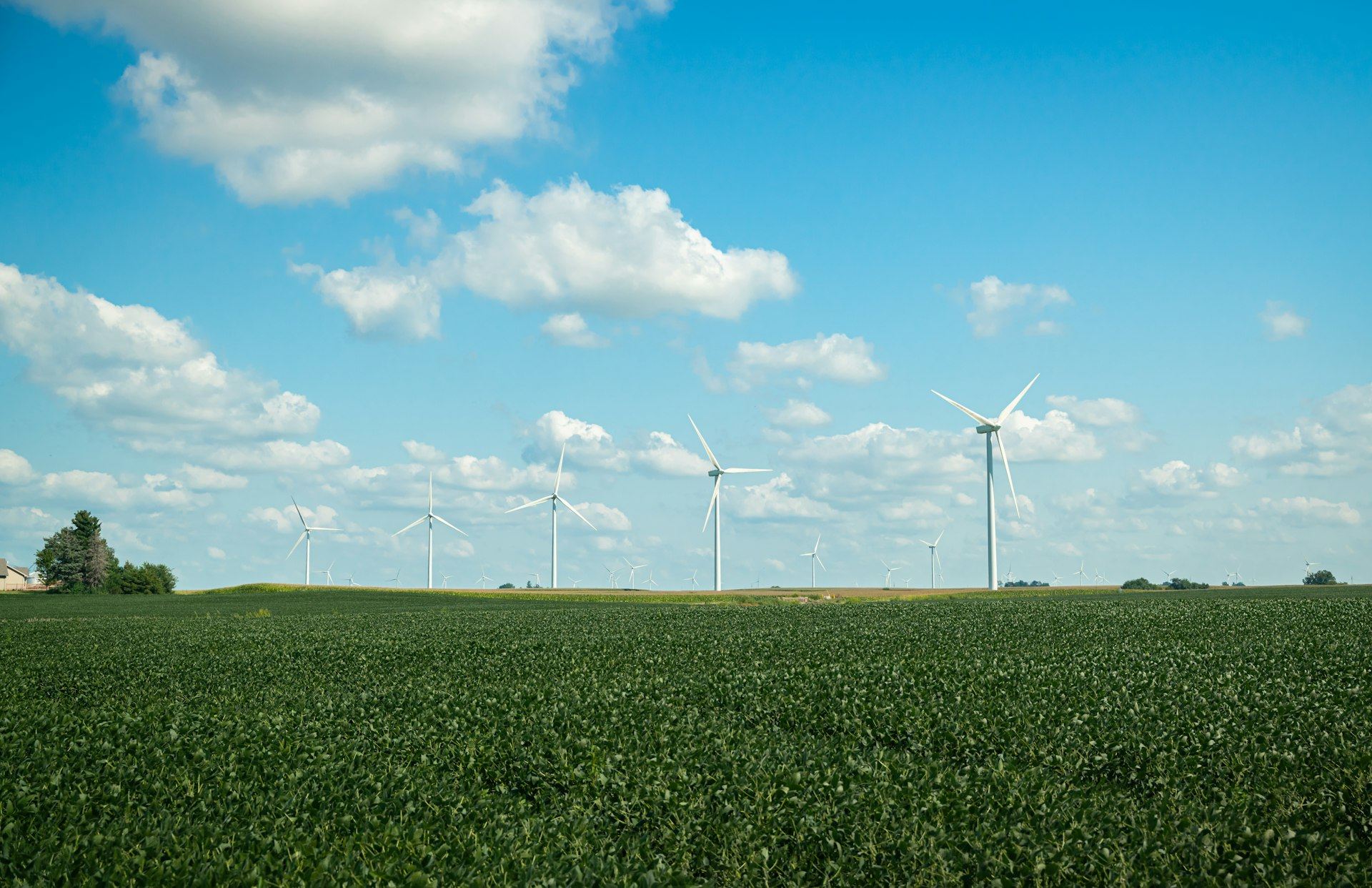
Lower carbon, built in from day one.
We bring carbon, energy and waste into the same conversation as cost and schedule, then prove the results with commissioning before handover.
Why it matters.
Carbon is spent before move-in
Concrete, steel and glass carry most of a new building’s embodied carbon. Those choices are made in design and procurement, long before the lights come on.
Owners have targets to hit
Public agencies, institutions and investors increasingly set carbon, energy and waste goals. The builder has to track and document them.
Performance has to be proven
A building that looks efficient on paper can waste energy for decades if its systems are never tested and tuned.
How we work.
- 01
Embodied carbon tracking
We compare structural and envelope options by carbon as well as cost, using supplier environmental product declarations where they exist.
- 02
Low-carbon concrete mixes
We work with ready-mix suppliers and the structural engineer to test mixes with supplementary cementitious materials, matching strength and cure time to the pour schedule.
- 03
Waste diversion
Separated dumpsters, recycling haulers and packaging take-back from suppliers, with monthly tickets that show where every load went.
- 04
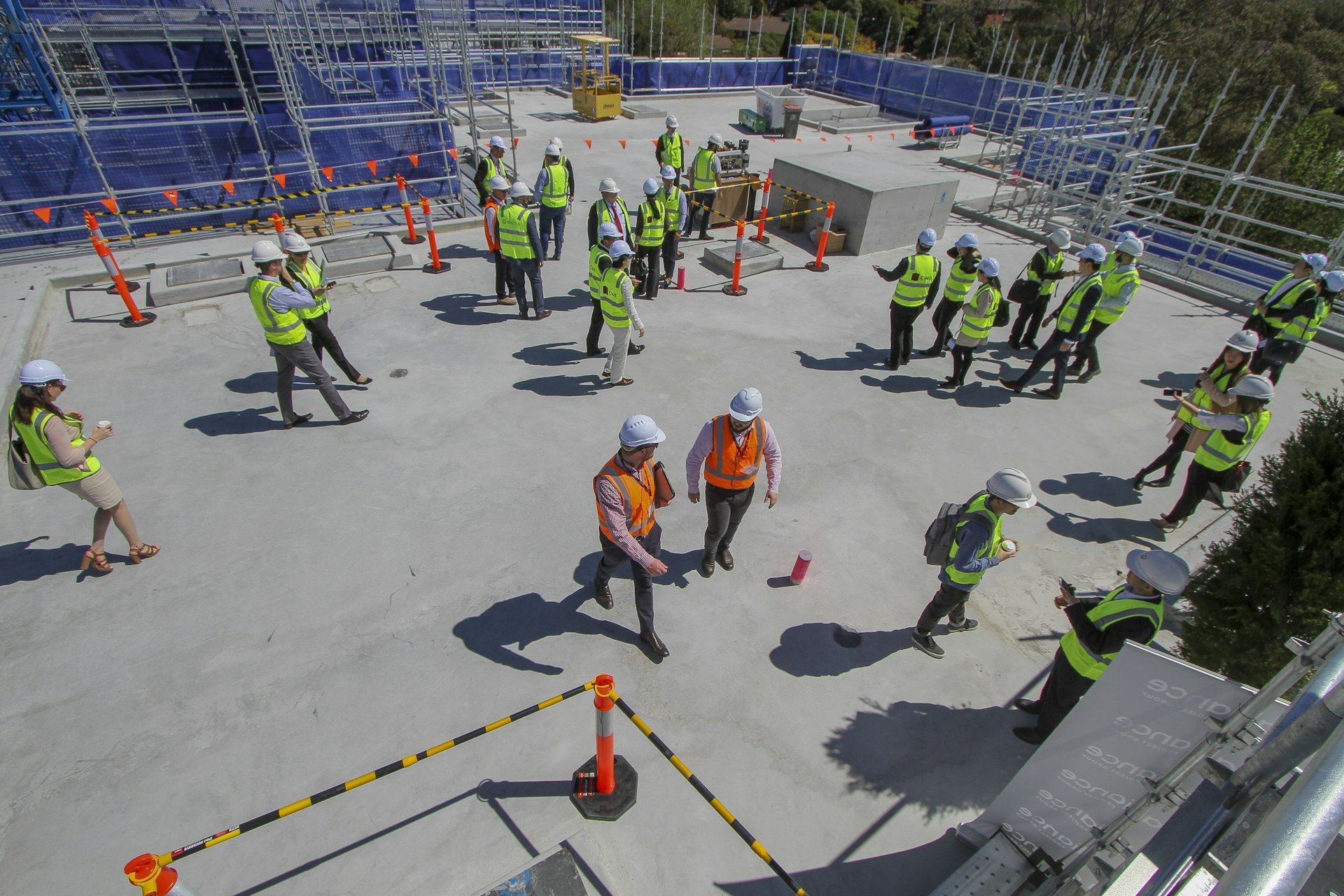
Healthy jobsite practices
Duct protection, low-emitting materials and moisture control keep the finished building clean and dry at turnover.
- 05
Commissioning
Functional testing of mechanical, electrical and controls systems with the commissioning agent, so the building runs as designed on day one.
What you receive.
Every engagement is scoped to the project. These are the core outputs owners can expect.
Embodied carbon and cost side by side for the major structural and envelope choices.
Mix designs with strength data and documentation of cement replacement for each pour type.
Hauler tickets and diversion totals by material stream.
Construction-phase credits and backup organized for the rating system your project is pursuing.
Test results, issue logs and closed corrections for every commissioned system.
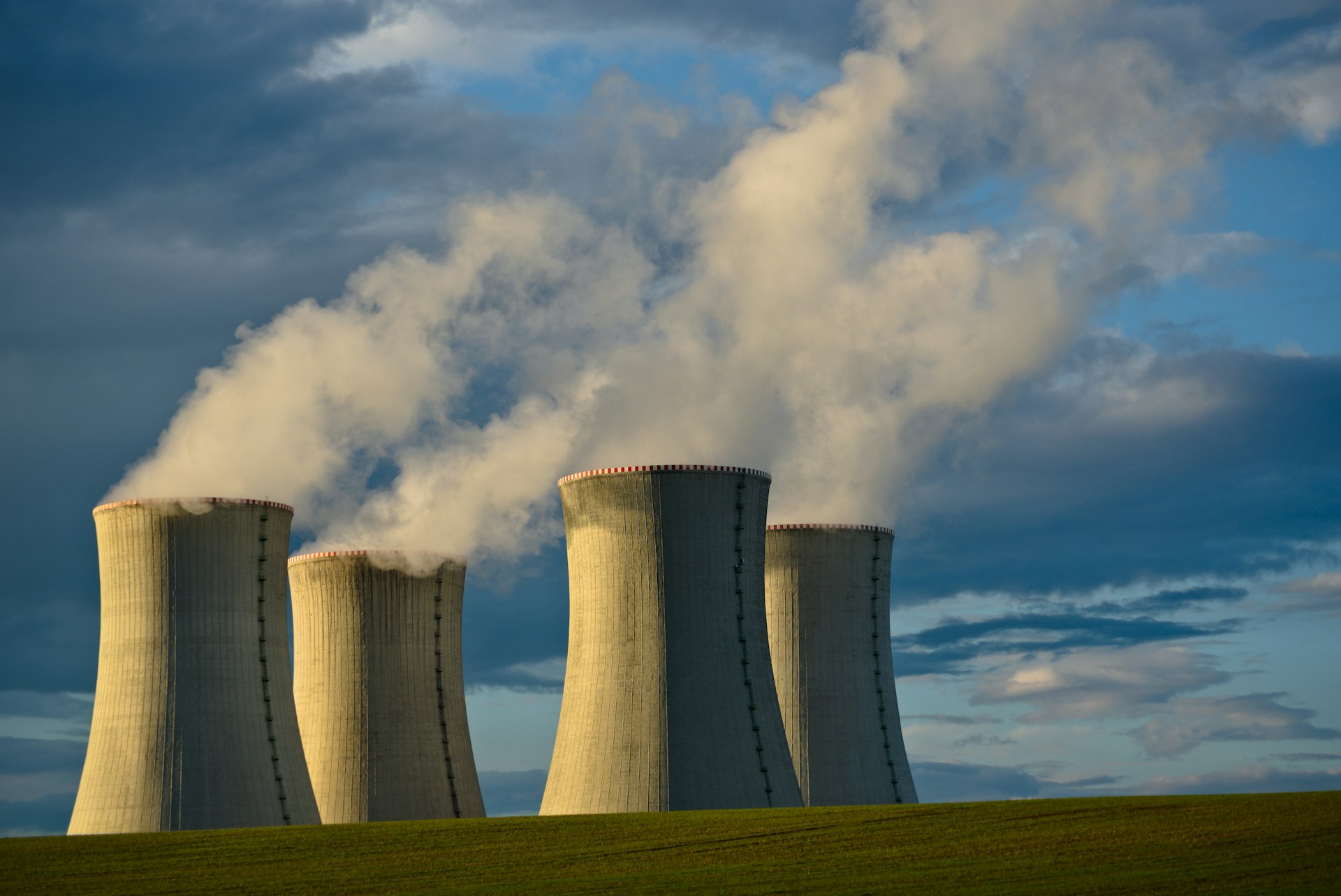
Cooling made at night, used by day.
The district energy plant pairs high-efficiency chillers with a chilled water storage tank, so cooling is made overnight when the grid is quiet and used during the day. We commissioned the plant through a full season with the operators before handing it over.
- 24,000
- Tons of cooling
- 1
- Thermal storage tank
- 2023
- Full cutover
Questions owners ask us.
Will low-carbon concrete slow the schedule?
It can if it is not planned. Some mixes gain strength more slowly, so we test them early and match each mix to pours where cure time is not on the critical path.
Do sustainable choices cost more?
Some do and some save money. We price each option alongside its carbon and operating effect so you can decide with the full picture.
Can you support a green building certification?
Yes. We manage the construction-phase requirements and documentation for the rating system the owner and design team select.

Talk to the people who will build it.
Share the project, the site and the date that matters. A senior builder will come back to you within one business day.